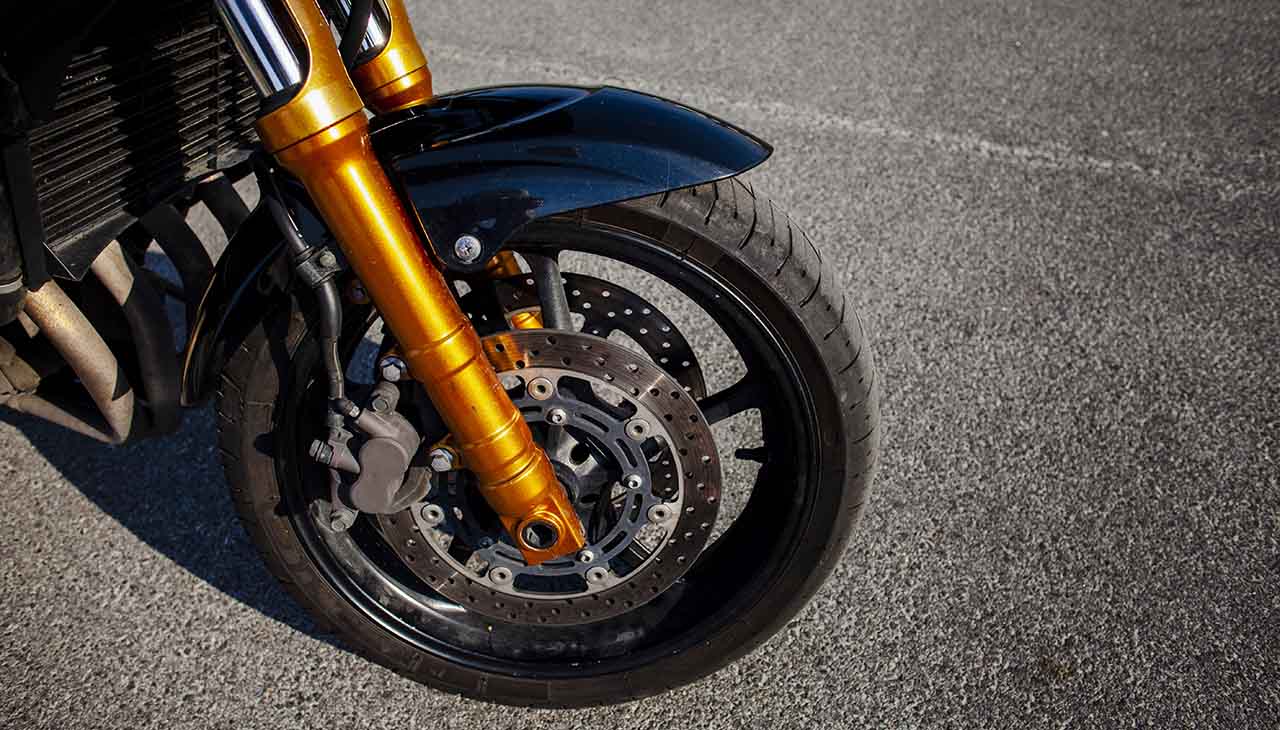
Street Cruiser vs. Sport Bike

by Devin on March 5, 2009

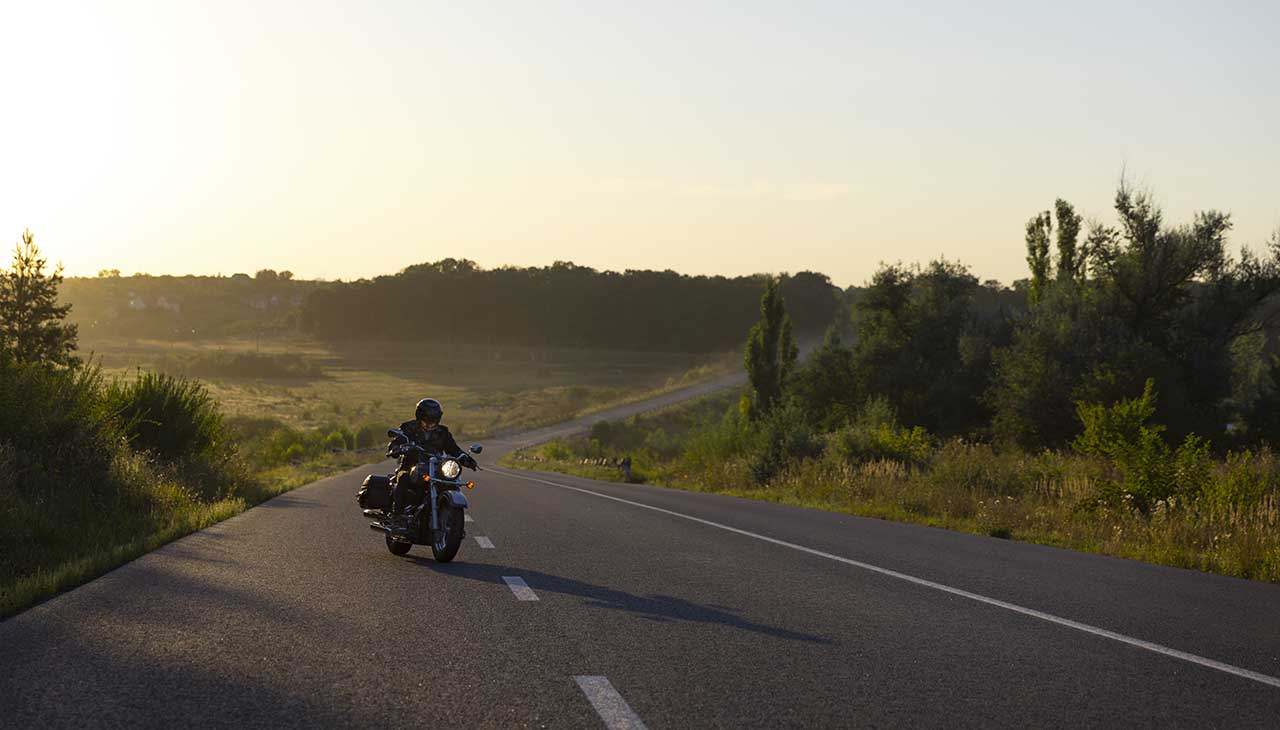
There are many different types of motorcycles. Touring bikes, choppers, cruisers, sport bikes, standard bikes and dirt bikes. Touring bikes, choppers and dirt bikes are specialty bikes that serve a specific purpose. Standard bikes are kind of a cross between the cruiser and the sport bike. However, standard bike manufacturers have not been able to capture as much of the motorcycle market as they would like. The two most common bikes you will find on the street are cruisers and sport bikes. Both of these styles offer a very different and distinct riding experience. The cruiser is designed for a comfortable ride where you can sit back and enjoy the scenery to the fullest. Cruisers have a soft seat and wide handlebars that reach back toward the rider. Whereas, the sport bike sacrifices a bit of the comfort for a more adrenaline enriched riding experience in which the rider is leaned forward toward a more narrow set of handlebars. This article will examine both the cruiser and the sport bike and how they relate to safety.

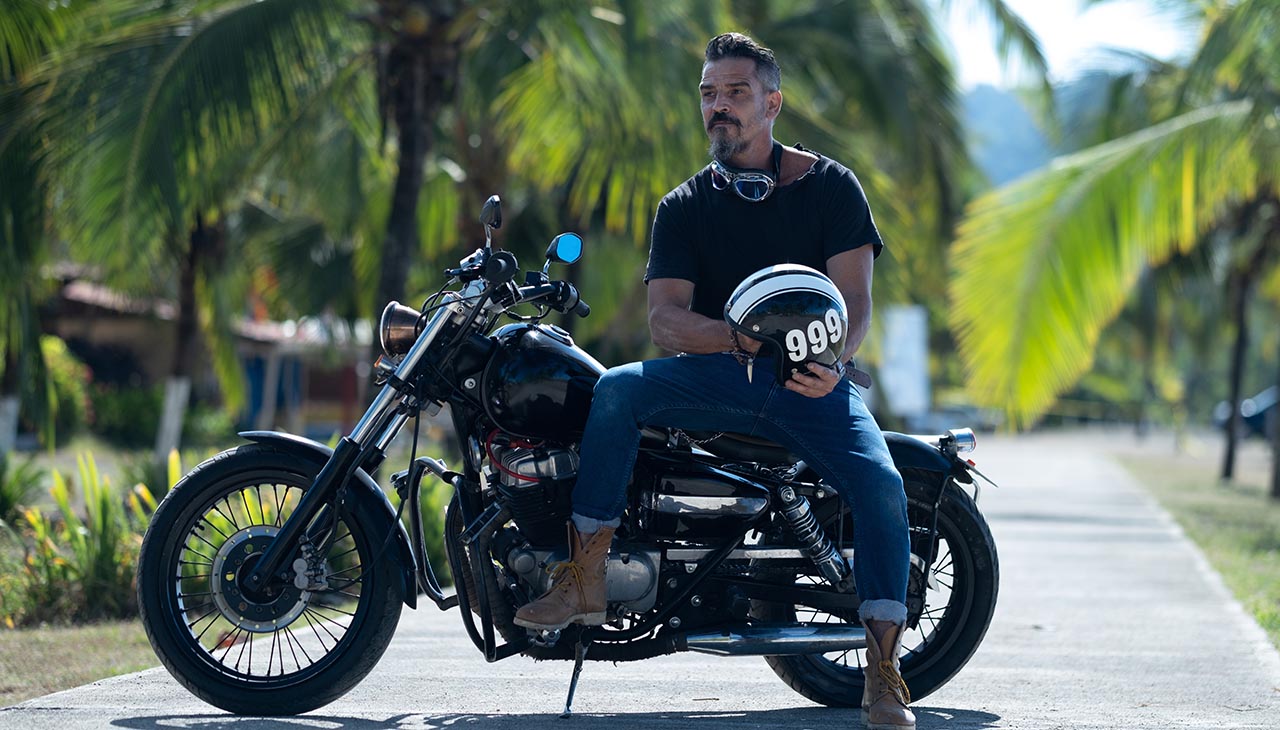
Cruiser motorcycles are beautiful machines that are hard to take your eye off of. Much of these bikes are made of iron and steel. They are usually laced with chrome, and feature unique paint schemes. Riders who own cruisers are fond of customizing their bikes with various types of saddlebags, handlebars, mirrors, pegs and especially pipes. Engine sizes for cruisers tend to range widely from 250cc (Honda Night Hawk), all the way up to 2300cc (Triumph Rocket III). The weight of a cruiser also varies, but an average weight would be around 600-800 pounds. The most common types of cruisers on the street are Harley Davidson motorcycles. However, in recent years some of the Japanese companies such as Kawasaki, Honda, Suzuki and Yamaha have really begun to take a chunk out of the cruiser sales market.

Sport bikes, more commonly referred to as “crotch rockets,” are also pleasant to look at. They are made of lighter materials like carbon fiber and plastic. Sport bikes tend to be much brighter in color. Cosmetic after-market add on parts are usually things like LED lights, windscreens, frame sliders and license plate mounts. However, most sport bike owners tend to direct their after market purchases toward performance parts. Engine sizes for sport bikes range from 500cc which can be found on many motorcycles up to 1400cc (Kawasaki ZX-14). An average weight for a sport bike is around 350-500 pounds. Yamaha, Honda, Suzuki and Kawasaki are the four main manufacturers of sport bikes, but some other top sellers are Buell and Ducati. The reason for sport bikes being so much faster than cruisers is not so much a function of engine size, but rather a much higher compression ratio, thrust to weight ratio, and torque through gearing. Furthermore, sport bikes are known to tolerate a much higher RPM, with a typical redline of 14,000 compared to that of street cruisers, around 6,000 RPM.

By nature, sport bikes are more dangerous motorcycles than cruisers. The temptation to drive recklessly is hard to resist when you are sitting on a machine that will do 80 miles per hour in first gear, and only take a few seconds to get there. In addition to that, the types of individuals who ride sport bikes are wired a bit differently than cruiser riders. Age is probably the easiest way to determine whether a rider owns a cruiser or a sport bike. Cruiser riders tend to be older, and more content to enjoy a nice comfortable ride with the wind in their face. Sport bike riders are usually a younger crowd that feels the need for speed. In addition, many sport bike riders can be found “stunting” their bikes on the streets. Examples of “stunting” are wheelies, stoppies, standing up on the motorcycle and other dangerous maneuvers.

One main reason why deaths via motorcycle are not heavily leaned toward sport bikes is because riders of sport bikes are more prepared for a crash. It is rare to find a rider on a cruiser in a full face helmet, a padded jacket and riding pants. In fact, you can often see cruiser riders wearing sleeveless t-shirts, jeans and no helmet. Sport bike riders usually have a full face helmet and a padded jacket at a minimum. Ideally, cruiser riders would prepare with the same equipment as sport bike riders, and sport bike riders would ride with a little more caution like cruiser riders. After all, wrecking a motorcycle at 100+ miles per hour is not going to end well no matter how much gear you have on.

No matter which type of motorcycle you own, the goal is to have a great time while remaining safe. So to those of you riding street cruisers; put on a helmet!  And to those daring souls out there taking on the challenges and thrills of a Sport bike, take it easy so as not to endanger yourself as well as other driver’s around you.

{ 1 comment }

Riding Gear: An Overview

by Devin on March 5, 2009

Thousands of new motorcyclists are taking to the highways every year, and it’s no wonder.  The thrill of thundering down the open road with its sights, sounds, and smells are all powerful lures that keep the old timers coming back for more, and entice new riders with the promise of discovering a whole new world.  In a word, motorcycle riding is fun.  But along with the fun comes a certain amount of assumed risk you willingly take.  What’s surprising is that amid the army of new and seasoned riders alike, proper riding gear that is designed to reduce risk is perhaps the most overlooked or under-considered aspects of the motorcycle riding experience.  One needn’t look around too long to find a motorcycle rider without sufficient riding gear.   This article will provide a brief overview of the various components of riding gear.

The Essentials

Arguably, the two most important pieces of riding gear that should be worn are those of helmet and eyewear.  The use of a helmet is a highly debated point among virtually all riders, but volumes of statistical data can be found all over the web regarding motorcycle accidents and the role of a proper helmet in the survivability of a crash.  The pure and simple fact is that given the virtual headlock most states have with helmet laws, a motorcycle rider is left with no choice but to wear a helmet.  But are all helmets created equal?  The short is answer is no.  There are myriad helmet choices available out there ranging from a simple a steel WW1 vintage lid with no liner or face shield, to a full DOT and Snell approved helmet with built-in face shield.  Ultimately, the primary guiding factor in helmet selection for the rider is based on the individual’s tolerance for risk, whereby a simple steel lid offers the barest minimum of protection, and the fully approved helmet affords the greatest level of safety.

The other critical piece of essential riding gear is in proper eye protection.  Virtually every automobile driver or motorcycle rider has, at some point, been tagged with a rock that has been kicked up by another vehicle.  You don’t have to be a genius to know that the flying rock, though not ballistic like a bullet, is moving plenty fast to cause permanent loss of sight at a minimum or even death through the loss of control of your machine.  As with helmets, there are many options available in eye protection ranging from non-safety sunglasses to full face shields that attach to your helmet.  Any eyewear not rated or labeled as “safety” wear is virtually useless and will shatter upon impact with debris.  Besides the plastic used in the lenses, there are other factors that should be considered in the selection of eye protection.  Lens color, mitigation of wind, comfort, etc. all play an important role as well.  Of course, the very best eye and face protection available is the face shield that attaches to the helmet.  Here too are a variety of choices available that will give the rider varying levels of protection be it a partial visor that primarily protects the eyes and forehead, to a full-face shield.

Neck to Ankle

Okay, so now you’ve got the critical essentials, now let’s discuss the riding gear from neck to ankle.  Any rider who’s been rolling on 2 wheels for awhile can tell you the value of a riding jacket/coat and gloves for comfort when the wind chill sets in, yet few riders will wear anything other than their favorite jeans for leg protection.  The upshot is that many riders consider the neck to ankle components of riding gear to be largely a function of comfort or fashion only and do not consider the safety function of the gear.  While comfort is certainly a vital function of safety, the real question you should be asking is whether your gear is going to protect you if you crash.  You may be wondering what the best protection available is.  The truth is; your neck to ankle riding gear is a matter of personal preference and the sky’s the limit for selection.  Of course, all of us scruffy old timers on cruisers will be looking to black leathers, while the younger set tends to gravitate to the synthetic materials.  There is no right or wrong answer here other than understanding that the gear you wear needs to offer sufficient protection against the elements, road debris or a crash.  Jackets and/or coats need to be lightweight enough so as not be cumbersome, yet heavy enough to protect you from road rash.  A good jacket/coat will fit well, provide movement and be able to breathe either through gussets, or through the material itself, such as Gore-tex.  The better jackets will offer additional padding at the elbows and shoulders.  Gloves are also an important piece of gear.  The key here is a riding glove that provides freedom of movement in the fingers, sufficient grip and be insulated.  Any number of gloves will perform the job sufficiently, but for those riders insisting on the ultimate in riding gloves, many are manufactured with built-in armor of sorts at the knuckles providing maximum protection.  Though few casual riders wear them, riding pants are an excellent measure of additional protection, with the better gear offering padding in the hips and knees.  Many “old school” riders scoff at the notion of riding pants, opting instead for leather chaps which offer decent protection without the constriction of full pants.

The Feet

Footwear is another piece of equipment many riders don’t consider, yet this is just as important as all your other riding gear.  Amazingly, many riders will jump on the bike and go in whatever footwear they were wearing at the time.  This lack of preparation can prove costly.  In terms of options, riding boots are quite diverse in style and design ranging from lightweight riding shoes to calf-height leather boots.  At a minimum, riding footwear should protect the entire foot, including the ankle, from the ever-present barrage of road debris that gets kicked up.  As with jackets and pants, boots also come in leather and synthetic materials and each does an adequate job of protection.  A few key things to look for in riding boots should of course be comfort, proper weight, water resistance, and sole construction that offer an excellent grip on both the pavement and pegs.  Many riding boots are steel-toed and many are insulated.  Which boots you choose is largely a matter of personal preference, but it’s generally a good idea to be prepared with a variety of options.

The Dry & Visible

Assuming you’re riding on a bright sunny day without a single cloud in the sky, you’re probably okay without the raingear, but you can be assured that one day you will be caught off guard by a rogue rainstorm and riding without proper wet weather gear is nothing short of misery.  There are a wide range of options available here.  Many “old school” riders consider their trusty leathers to be adequate wet weather protection, while other riders will pack specific raingear into the bags. The main thing to consider here is having gear that will keep you warm and dry without being bulky.  This is best accomplished with breathable materials which will prevent sweating or overheating that is common in some protective raingear garments.  Another key factor to consider is proper fit.  Most raingear tends to be lightweight and loose fitting.  Specific riding raingear will be a bit more tailored with less loose material to flap around.  High-visibility gear is another piece of riding gear that should be considered.   A rider on a motorcycle is much less conspicuous and far more vulnerable that persons in a car.  For this reason, it is vital that the motorcycle rider be highly visible to others while out on the roads.  Many riders will wear full riding suits with strips of day-glo material and reflective tape sewn into the garment.  Others will wear a simple vest, similar to those worn by road highway crews.  Still others will simply wear brightly colored clothing to be seen.  No matter what choices you make, the operative concept here is visibility which adds to your margin of safety and an integral part of your personal risk management program.

{ 0 comments }

Motorcycle Safety

by Devin on March 5, 2009

Many men today - and a rapidly increasing number of women - would be thrilled at the chance to hop on a motorcycle, rev-up that handlebar throttle, and speed off into the horizon. Motorcycles can be fun to ride and are also great on gas mileage. The experience of riding in the open air with the pavement rolling by very quickly a few exposed inches below the rider’s feet can be invigorating, but it does not come without some risk.

This article will outline the most common reasons motorcycle accidents happen, typical accident injuries, and how to prevent both.

Reasons for Motorcycle Accidents

There are a vast number of events that can cause a motorcycle to take a dive. These range from a small bump in the driveway to a full speed disaster. Whatever the case, there are many things a rider should be aware of before taking to the streets.

Low speed, minor injury situations happen all the time. A patch of gravel or a sharp turn can end in a dent in the gas tank and some serious bumps and bruises. An inexperienced rider may not recognize all of these perils or know how to navigate them safely. It is important to understand the conditions surrounding the motorcycle and the proper technique for handling the situation. These small accidents are frequent and can happen in a split second.

In accidents involving serious injury, an extremely low percentage are caused by factors outside of either the motorcyclist’s or other drivers’ control. For example, in accidents in which a serious injury was sustained, vehicle failure is the cause in only an average of 3% of the accidents and poor road conditions are only responsible for around 2% of incidents. This means that even though a rider should still be aware of his or her environment, just watching the status of the weather, the bike, and the road is not enough to stay out of harm’s way.

According to almost every source, the main cause of all motorcycle accidents is an error from another driver on the road. This includes drivers who are not paying attention, those who never saw the motorcycle, and those who did not see the motorcycle in time to prevent an accident. Because motorcycles are so much smaller than other vehicles on the road, the chance that they may get lost in a driver’s blind spot are greatly multiplied. This is the factor that leads to the most common accident configuration: the motorcycle going straight with the automobile turning left in front of the oncoming motorcycle. It is vital that a motorcyclist constantly monitor the actions of vehicles around them.

Typical Motorcycle Accident Injuries

Just like there are a vast number of ways in which a motorcyclist can get in an accident, so there are a variety of different types of injuries that can be sustained when in an accident. Also, because there is so much exposure while riding a bike, virtually all motorcycle accidents end up in some sort of injury. The head, arms and legs are the most often injured. This can come in the form of head injuries, broken limbs, and road rash.

Motorcycle accidents are also often more complicated than auto accidents. For example, according to insurance data, 23% of claimants have injuries to multiple locations, and 18% of head injuries result in some sort of permanent disability. Limbs are often broken, either from the impact of a fall, collision with another vehicle, or entanglement in the rider’s own motorcycle. On top of such serious injuries, any rider who is not wearing full protective gear is almost guaranteed to suffer road rash to any part of their body that meets the pavement.

One of the most shocking facts about motorcycle accident injuries is this, reported by the National Highway Traffic Safety Administration: per mile driven, motorcyclists are 32 times more likely to die in a crash than a passenger car occupant. Although in 2004 this amounted to only about 4,000 fatalities out of roughly 76,000 reported injuries, it is still a significant number of deaths. There are precautions that can be taken to limit a rider’s chance of death, and that will be covered in the next section.

How to Prevent a Fatal Motorcycle Accident

The number one rule without a doubt is to wear a helmet. Most accidents that result in death are caused by a head injury, and there is only one way to help avoid these while riding a motorcycle. All serious injuries are greatly reduced both in severity and in frequency by the simple act of putting on a helmet. In fact, more than half of motorcycle fatalities in 2003 were unhelmeted at the time of the accident. There are several different types of helmets, including full-face helmets, ¾ helmets and half helmets. Full coverage is the best option because it affords protection for the entire head and face, instead of just a part of the head.

Even though wearing a helmet is the best advice for staying alive, there are other tips that can help. Almost half of motorcycle accident fatalities involve some sort of alcohol. Whether or not a rider is past the legal limit, motorcycles require a lot of skill and attention to operate safely. Any amount of alcohol can impair judgment enough to be dangerous.

Another key element to motorcycle safety is experience. This encompasses many different elements. The first and most important is the amount of time spent on the bike. The more riding time a motorcyclist has under their belt, the better he or she will understand the different perils of the road and how to avoid them. Next is responsibility. Realizing that owning a motorcycle does not nullify traffic laws is important to understand. Merely following the law will help take much of the risk out of riding a bike.

As mentioned in a previous section, the main causes of accidents are other motorists and the rider’s environment. Vigilance is the key to safety here. A rider should constantly monitor their surroundings. When near other vehicles, a motorcyclist should assume that other drivers cannot see them and ride accordingly. He or she should also analyze all other conditions with the mindset that a dangerous obstacle is just around every corner. Understanding and remembering all of these tips can go a long way in keeping any rider’s bike and life intact.

Bringing It All Together

When ridden safely, motorcycles are a great option for transportation. They are fun, fast and fuel-efficient. The key to making sure any rider’s experience stays enjoyable is to respect the road and the rules. Being vigilant and wearing the right equipment will go a long way in helping prevent the bumps and bruises or worse that accompany any accident. So stay sharp and be safe and you and your motorcycle will have many more miles ahead to feel the pavement underneath roll on by.

{ 0 comments }

Emergency Procedures

by Devin on March 5, 2009

No matter how many precautions a motorcyclist takes, and no matter how much skill a rider has, there will inevitably come a time when they have to respond to an emergency situation. The riding courses give the rider all the tools necessary to respond to these situations. This article will discuss a few possible emergency situations, and how to react to them.

A motorcycle tire has exactly 100% traction. The things that require portions out of that 100% are acceleration, braking and turning. What causes a tire to skid is exceeding that 100%. For example, a rider approaches a curve at 40 miles per hour. Upon entering the curve the rider realizes he is going to fast to complete the turn. So he/she squeezes the brakes mid turn to slow down. The rider has now used more than 100% of the tires traction. Both tires will now skid out, and the bike and rider slide off the road. What the rider should have done was slowed down enough before the turn to complete the turn without using the brakes. However, since the rider was going too fast, they should have leveled the motorcycle before squeezing the brakes. This would allow more traction for braking and less for turning. Therefore, the tire would remain within its allotted 100% traction level. In the same way, a rider should not over accelerate while turning. The ideal turn is performed as follows. The rider slows down before the turn enough so that they can slowly accelerate through the turn.

In any situation, the goal is to maintain control of the motorcycle. There are a few things that can cause a rider to lose control. Obviously, one of those things would be running into an object or another vehicle. So to avoid doing this a motorcyclist should master the ability to swerve to avoid obstacles. Swerving is the same thing as turning, only with a lot more haste. To swerve, you press down hard on the handlebars in the direction you want to go. Then you quickly level the motorcycle by releasing pressure on the handlebars. This will get the bike moving straight again. Finally, you put pressure on the handlebars in the other direction to move back into place. The amount of pressure placed on the handlebars will determine how quickly the motorcycle will swerve. It is very important to not grab the brakes while swerving. Doing so will cause the motorcycle to skid, and you could easily lose control.

Tire failure is a danger that all motorcyclists face. One way to manage this danger is to change the tires regularly, and make sure not to push a tire past its designed limits. New tire or old, any tire can be punctured and go flat. To maintain control when a tire goes flat, the motorcyclist should squeeze the brake on the tire that is still good. A flat front tire is much more dangerous than a rear flat. This is because the front tire is the lead tire and is guiding the rest of the bike. During a front tire flat the rider should fight to keep the handlebars straight while pressing on the rear brake with their right foot until the motorcycle comes to a stop. During a rear tire flat, the rider should squeeze the front brake with their right hand until the motorcycle comes to a stop.

In the unfortunate case that a motorcycle goes into a skid, there are ways for the rider to correct it without crashing. If the rear tire goes into a skid, the rider should immediately release pressure off of the rear brake. At the same time, the rider should make sure and hold the front tire steady and straight. Doing this should cause the rear tire to snap back into place and continue rolling. The harder skid to control is a skidding front tire. Once again, this is because it’s the lead tire and guides the entire motorcycle. A motorcyclist doesn’t have very much time to react to a skidding front tire before crashing. If experiencing a front tire skid, the rider should immediately release the front brake and stand the bike as level as possible. If done quickly enough, the front tire will begin rolling forward again and the rider can regain control.

Some other emergency situations can occur that are highly unusual such as an animal running in out in front of your motorcycle. However, knowing how to control the motorcycle in an emergency can prevent many accidents from happening. However, the saying goes, “There are two kinds of riders, those who have crashed in the past… and those who will in the future.” That is why it is important to always wear proper equipment including a helmet, gloves, long pants and boots.

{ 0 comments }

Impairments to Safe Motorcycle Riding

by CAbiker on October 21, 2008

If you were a kid once, and I’m pretty sure you were, there’s a pretty good chance you spent hours having fun riding around on a bicycle through your neighborhood.  Now that you’re a big kid, you may be thinking about getting that new motorcycle you’ve always wanted, or maybe you just made the big purchase and you just can’t wait to get out there and have hours of fun riding around on a motorcycle through your neighborhood.  Not to put a damper on your fun, but before you fire up that shiny new toy there are some things you need to be aware of and consider carefully regarding your ability to handle the ride. After all, this isn’t the bicycle of your youth.  Your commitment to safe motorcycle riding starts now; before you ever hit the start button and may determine whether you get home in one piece.  In this article we will briefly touch on the various impairments to safe motorcycle riding.

Defining the Problem:

The definition of the word impairment will differ depending on which dictionary you use, but a pretty common theme among them is that impairment is considered to be an alteration or reduction in ability.  Any one of the several impairments we will discuss can severely alter or reduce your ability to exercise sound judgment. You need to be aware of the myriad hazards that are just waiting to spoil your day, to anticipate those hazards, and use your ability to react to them.  Listen, you don’t need a degree in astrophysics to know that when you’re on a motorcycle, you’re exposed and far more vulnerable than when you drive your car, so the correct identification of impairments to your safe riding is critical to staying alive and well.  So let’s dig a little deeper into what these impairments are and some tips on avoiding them.

Alcohol:

If you guessed alcohol as being the number one impairment to safe riding, you’d be right.  In fact, statistical data shows that in more than half of all motorcycle rider fatalities, alcohol was the key ingredient.  Remembering that motorcycle riders are more vulnerable and exposed than those in an automobile, the shocking part of this fact is that significantly higher levels of alcohol consumption are found among motorcycle riders than operators of cars.  In other words, it’s part of the “culture”.   It’s this mixing of higher rates of alcohol consumption with the vulnerability that continues to make alcohol the number one impairment to safe riding.

Drugs:

Of course a list of riding impairments wouldn’t be complete without mentioning drugs, and it’s not just illegal ones either.  That nasty head cold you have, or perhaps some other ailment, has forced you to take an over-the-counter remedy or maybe even a prescription drug.  You need to keep in mind that many such drugs impair your ability to process information and react, which is why they give you those warning labels to avoid operating machinery.

Stress:

High levels of stress can cause distractions making it difficult to concentrate on your riding skills.

Emotion:

As variations of stress, emotion in the forms of being overly distraught, depressed or angry does not put you in an optimal mental state to safely operate a motorcycle.

Exhaustion or lack of sleep:

This one is pretty easy to pick out.  We’ve all pushed ourselves to the brink of exhaustion or suffered a sleepless night.  These factors can drastically impair your ability to exercise all of the necessary skills to riding, both physical and mental.  If you’ve ever driven your car under these conditions, you know how unsafe it can be. Now compound that hazard perhaps tenfold or more when riding your motorcycle under these same conditions.  Falling asleep at the controls is definitely not something you want to mess around with.

Extremes in Temperature:

Here’s one you may not have thought about.  Research has shown that extremes in temperature can have a dramatic effect on your ability to think and react.  Along with lack of sleep, stress, emotion and the chemical factors we’ve discussed, a kind of lethargy tends to set in with temperature extremes.  Under such adverse conditions, more of your body’s energy gets assigned the task of heating up, or cooling down, and will take vital energy from normal brain function, making it a bit more difficult to deal with otherwise routine issues on the bike.

Dehydration:

Another deceptive impairment to safe riding that doesn’t necessarily have anything to do with overheating.  You can fill a super-tanker with the depth and breadth of research regarding the human body and its need for water.  Bad things can happen when you don’t give your body the water it requires.  Migraines headaches, muscle cramping, blurred vision, fatigue, etc. are all on the short list of symptoms that can adversely impair your ability to ride safely.

Hormones:

I’ll bet you never thought of this one.  While not one of your garden variety impairments, this nasty little impediment to sound judgment is quite deadly.  If you’ve ever been driving down the freeway in your car and had some guy blow by you on a sport bike with their hair on fire, or if you’ve grabbed that throttle yourself and given it a good twist, you know the hormones I’m talking about. It is the need for speed, to show off and prove your manhood.  The old adage “speed kills” has never been truer than when straddling a big, powerful V-twin cruiser or clinging on to a high-torque sport bike.  If alcohol is the number one impairment to safe riding, raging hormones surely take a close second.

So what’s the answer?

Unfortunately, there is no magic wand you can wave to make yourself invulnerable to impairment.  Some are easily within our ability to control because they involve free will and choice, while others just exist out there waiting to make you the latest statistic.  Ultimately, the best and most effective means of dealing with impairment also happens to be the easiest.  It is through correctly identifying them through education, understanding your own physical and/or mental limitations, using a little common sense, and making a firm commitment to safety before hopping on your bike to ride through the neighborhood. It’s as plain as the wind in your face.

{ 0 comments }

Risk Management

by CAbiker on October 21, 2008

Risk is an everyday fact of life and it’s here to stay.  Nearly every activity you engage in contains some measure of risk, ranging from something as involuntary as breathing to willingly walking the streets of Fallujah in a firefight.  The fact is; risk is everywhere.  But the important thing to recognize is that some activities, motorcycle riding included, carry with them proportionally higher levels of risk and that those factors of risk tend to have a cumulative effect.  Insurance actuaries understand risk very well.  In fact, risk factors are the foundational basis of the insurance premiums you pay for your bike.

So, since risk in an inherent part of motorcycle riding, the key to survival on the mean streets of your town is in the management of the factors that comprise risk.  But before you can effectively manage, you must first become aware of, or identify the factors that comprise risk to you as you ride. Let’s briefly examine just a few of these factors.

You:

  • Riding Experience - Research has shown that riders with less than 6 months riding experience are less skilled and far more likely to be involved in a crash.
  • Pre-ride Preparation - Failure to wear proper riding gear, especially helmet and eye protection are major risk factors.
  • Physical and Mental Readiness - Physical or mental impairments such as, alcohol, stress, fatigue, etc. all significantly raise the risk to you as you ride.
  • Prior History - Disproportionately high numbers of speeding tickets or close calls may be an indicator of increased risk.

Bike:

  • Deficiencies - Damaged, worn or non-functional bike components that were not caught because you didn’t do a pre-ride inspection.
  • Type of Bike - Large V-twin cruisers and high-torque sport bikes tend to possess increased factors of risk.

Environment:

  • Traffic - High traffic congestion and inattentive drivers are a major risk factor. Specific traffic situations, i.e. busy intersections are perhaps the most dangerous to a motorcycle rider.
  • Road Conditions - Sand, gravel, ruts, bumps, ice and even railroad tracks are all examples of demanding road conditions that dramatically impact rider safety. The specific layout of the road also contains risk factors, whereas a winding mountain road is far more likely to pose a hazard than a straight and level road.
  • Lighting - Night riding is inherently more dangerous than daytime riding. Likewise, severe glare from car windshields or a low setting sun can also present problems when riding.
  • Weather - While rain or snow is an obvious issue because of the effect to the road itself, consider also the effect of cold to your body and its reaction time. Conversely, consider extreme heat and its effects on the human body. Wind is also a contributing factor of risk.

The list presented above is far from comprehensive.  You can undoubtedly add more to it, and probably should as matter of forcing your awareness of risk factors.

Now that we’ve identified some of the various components of risk, let’s take a moment and discuss how they act upon you as you ride and how you might manage them.

Risk tends to accumulate as you add more and more factors into the equation.  Think of accumulating risk factors as steps a free-climber makes while scaling a sheer cliff.  The higher the climber ascends the cliff; his risk has increased substantially to the point where a single mistake near the top would be fatal.  Similarly, when the variables of risk increase when we ride our motorcycle, the probabilities of disaster increase as well.  Consider for a moment the following scenarios.

Scenario 1

Bob has been drinking and has just had a fight with his wife.  Deciding to leave before he does something he’ll regret, he storms into the garage climbs on his new 1,000 cc sport bike and races off down the road.  Bob hasn’t been riding long and hasn’t formed the habit of wearing a helmet, and he forgot to put on his protective sunglasses.  Riding much faster than he should, Bob rounds the bend in the road to find the sun in his eyes and traffic has come to a complete stop.  Unfortunately for Bob, the dump truck from the gravel pit that is now in front of him has lost part of its load and there is gravel across the entire road.

Scenario 2

Bill has been riding his big Honda Goldwing for many years.  Bill’s long awaited weekend road trip with his buddies has finally arrived and he has carefully prepared by having the routine maintenance done on the bike, and it’s a good thing he did because the mechanic found that his front tire was worn well into the riding patch and needed replacement.  After suiting up in full riding gear, Bill was on his way to meet up with his riding buddy.  During the ride, Bill was approaching a busy intersection when he noticed that an oncoming vehicle was making a dangerous turn across his lane.  Since Bill had been alert and anticipating the reckless move, he had previously checked the adjoining lane and finding it empty, made a last second swerve attempting to avoid the collision.

———

Notice that both of the scenarios above contain risk factors that were preventable, and some that were not.  The key to riding safely is in identifying and understanding the forces of risk and how they can accumulate to create a bad outcome.  If these had been actual true stories, the probability is quite high that Bob would have crashed and perhaps been killed because he did not manage his risk factors well and allowed them to accumulate.  Bill on the other hand, would have likely survived his ordeal because he knowingly and willingly managed his risk.

Risky Business?

So is it fair to say that through proper management we can eliminate virtually all risk when we ride?  The obvious answer here is no.  Because motorcycle riding is a dynamic activity, the factors of risk will always be changing and there will always be naturally occurring elements making it impossible to eliminate all risk.  The simple fact is motorcycle riding is truly a risky business even under the best of conditions, but through a proactive commitment to understanding the forces of risk and a willingness to correctly employ the necessary steps to reduce those factors, you will be riding your motorcycle safely for many years to come.

{ 1 comment }

Traffic Strategies

by CAbiker on October 21, 2008

A student in the Motorcycle Operator Safety class will not actually operate their bike on the streets during the class. However, they will learn techniques and procedures to safely ride in traffic. This article will discuss just a few of those techniques.

One of the advantages to riding a motorcycle compared to driving a car is a vastly reduced, if not completely eliminated blind spot. One of the most dangerous situations that can occur while driving in traffic is changing lanes. On a motorcycle a rider has the ability to take a quick look to one side or the other to see if the lane is open. In a car, you have to take a substantially longer look over the shoulder because there are obstructions to your view. On a motorcycle, the proper procedure for a lane change is to signal your intent well ahead of time, and then take a quick look over your shoulder to make sure the lane is open. Once you have determined the lane is open, gently push down on the handlebar in the direction you want to move. After moving into your lane position in the new lane, ease pressure off the handlebar to straighten out and proceed forward.

Another advantage to riding a motorcycle is the ability to quickly accelerate. Most motorcycles are going to be substantially faster than a car. This is especially useful when passing other vehicles. The proper procedure for passing other vehicles is all about lane position. First off, you want to move into the left portion of your current lane. This will help you to see around the vehicles in front of you to make sure there are not any vehicles approaching in the other lane. It is important to not take any chances when passing other vehicles. Make sure the other lane is going to be open for plenty of time to make the pass. It is impossible to tell how fast cars are approaching in the other lane, and a head on collision would almost certainly result in a fatality. Once you have analyzed the other lane and decided it is safe to pass, signal your intent. Next, you will accelerate and shift over into the far left side of the other lane. This is done in order to maximize the space cushion between you and the vehicle that you are passing. Making sure that you are well ahead of the car you are passing, signal your intent to re-enter your original lane. Then gently ease back into proper lane position in front of the vehicle you just passed.

As stated before, the added speed is a definite advantage of riding a motorcycle. However, it is very important to not abuse that power. Driving down the highway you will often see someone riding through traffic on a sport bike at very high speeds, weaving in and out of cars. Though this is probably quite exhilarating and fun, it is also extremely dangerous. One tiny misjudgment could be the last mistake that rider will ever make. It is very possible to have a blast riding a motorcycle without being unsafe. Many raceways will have open track times for those drivers and motorcyclists who need that adrenaline rush. It is much better to take it to a controlled environment than to risk the life of yourself and others.

One of the best parts of riding a motorcycle is the camaraderie you have with other riders. Riding with other motorcyclists is one of the best parts of owning a bike. Along with the joy come a few more things to learn, such as how to ride in groups. The suggested way to ride in groups is to stagger lane position. For example, the leader is on the right side of the lane, followed by the next rider in the left portion of the lane, and so on. Once again, the reason for this is all about maximizing space cushion between yourself and others. It is not recommended to ride side by side. However, riding side by side is not illegal. Novice riders should get a little experience before trying to ride side by side with other motorcyclists. No matter how seasoned the riders, no one should ride side by side around curves. Riding in a group also requires some communication before leaving. Every motorcyclist in the group should know the destination, and how to get there. This will keep riders who fall behind from having to ride unsafely to catch up. Not only that, but it will also prevent anyone from having to make a hasty maneuver to stay behind the leader. Follow these simple procedures, and everyone will have a better ride.

{ 0 comments }

Awareness, Anticipation & Judgment

by CAbiker on October 21, 2008

The Motorcycle Operator Safety Classes teach a rider both physical and mental techniques that will aid the rider in becoming as safe as possible on the streets. Some of the skills that are taught at the class are directly related to physically operating the motorcycle, whereas other skills you will learn are mental in nature such as awareness, anticipation and judgment.

This article will briefly examine each of the mental skills taught in the Motorcycle Operator Safety Classes:

Awareness

The freedom that a rider will experience on a motorcycle is also their worst enemy. One of the things that make riding fun is being out in the open and enjoying the scenery. However, this freedom is also what makes riding dangerous. No matter how minor, any accident could result in injury or even death. That is why it is very important for you to remain constantly vigilant of your surroundings. This requires a rider to know what is in front, behind and to either side. In addition, you must be aware of any obstacles that could cause a loss of control. These obstacles could mean something large in the road, or it could be something small like gravel or a puddle of water.

The course gives a few guidelines that help a motorcyclist to be safe. One of these is called “SEE,” which stands for Search, Evaluate and Execute. Searching for danger could be the single best way to maintain safety on the streets. If you know what is coming up ahead it is much easier to avoid it. It is especially important to evaluate when approaching an intersection. You should watch for any vehicles turning in front of you, or anyone who might be running the red light. Another time when you should be at a heightened state of awareness is when passing a row of parked vehicles on the side of the street. These vehicles could be pulling out at any time, or could simply just be opening the door.

Being aware and practicing SEE is important for all motorists, but even more so for motorcyclists. Knowing what is about to happen could be the difference between an accident and a close call.

Anticipation

Another mental skill for a motorcyclist to master is anticipation. No matter how aware you are of your surroundings, there will likely come a time where you will be forced into an emergency situation. The faster you anticipate the danger, the faster you can react to it. One of the easiest ways you can increase your chances of quickly anticipating danger is to simply give yourself more time. This means slowing down, especially when approaching an intersection or other dangerous situations. A technique taught at the course is to “cover” the clutch and brake when approaching an intersection. This means to have your hands in a position ready to squeeze down and stop. Doing this will greatly reduce reaction time, and could stop an accident from occurring.

At all times, you should provide yourself with an escape route. Instead of traveling right behind and right next to other vehicles, you should have a direction you can escape to in case of emergency. In some cases, you can use the shoulder as an escape route. In addition, you should let other vehicles pass you when they are too close behind. It is not advised to speed up to get a tailgater off your back. What ends up happening is the tailgater is going to continue traveling right behind you, except at higher speeds.

Judgment

Judgment on a motorcycle means evaluating your current situation and knowing how to improve it if necessary. Examples of this are proper lane position, avoiding blind spots, keeping safe distance from other vehicles and knowing how to deal with various surface hazards.

Operating your motorcycle within proper lane position is a constantly changing aspect of riding. You should always pick a lane position that will maximize the space between you and other vehicles. For example, when passing a row of parked vehicles on the right side of the road you should ride in the left portion of your lane. Part of choosing lane position also includes increasing other motorists’ ability to see you. This means staying in the middle of the lane when behind someone so they can see you in the rear view mirror.

Another important thing to do is stay out of other driver’s blind spots. Obviously, there are going to be times when you are in another driver’s blind spot, but the goal is to not stay there. When traveling alongside other vehicles you should try to remain either behind their rear bumper or directly next to them so they can see you out of their peripheral vision. Obviously, semi-trucks have a much larger blind spot so it is important to avoid riding next to a semi whenever possible.

Finally, it is important to know how to deal with surface hazards such as gravel and water. The best way to avoid these things being a problem is to remain upright while riding through them. Other surface inconsistencies such as potholes and manhole covers can simply be avoided by maneuvering around them.

Wrap-Up

Practicing awareness, anticipation and good judgment are the best way to avoid an accident. The Motorcycle Operator Safety Training courses will teach these techniques which will help any rider to become safer and more confident on two wheels.

{ 0 comments }

Precision Control

by CAbiker on October 21, 2008

One of the most beneficial skills that a beginning rider will learn at the Motorcycle Operator Safety courses is the ability to control the motorcycle. This includes starting and stopping, balance and turning the motorcycle at both low and high speeds. This article will discuss some of the precision control techniques that students learn in the Motorcycle Operator Safety courses.

One of the very first things riders learn when they take the class is starting and stopping. This gives each student in the class the opportunity to learn how to get the bike rolling in a very controlled environment. To get the bike moving you slowly release the clutch while simultaneously opening the throttle. It is very similar to driving a car with a manual transmission. After doing this for a while, the student will then learn how to shift into second gear. This is done by squeezing the clutch in, and then lifting up on the shift lever with your left foot. To shift back into first you squeeze the clutch in, and then push down on the shift lever.

Probably one of the most important skills to master on a motorcycle is the ability to stop the bike as quickly as possible while maintaining control. In the class, each student takes turns approaching a marked area on the course at around 25 miles per hour. At the designated point, the rider is instructed to stop the bike as fast as possible. Stopping the bike requires a lot of things to happen at the same time. First, you must squeeze the clutch in with your left hand. Next, you shift back down into first with your left foot, squeeze the front brake with your right hand, and push down on the rear break with your right foot. This sounds more difficult than it really is. After doing it for a while it becomes muscle memory. The key is to squeeze as hard as you can on the brakes without going into a skid. If you go into a skid you risk losing control of the bike. Skidding also means it will take the motorcycle longer to stop.

Another skill students learn at the course is how to balance the motorcycle. Obviously, when traveling in a straight line your best balancing point is directly on top of the bike. Balancing becomes a bit trickier when trying to balance the bike while turning, or when carrying a passenger. Turning the motorcycle at higher speeds is usually accomplished by leaning your body in the direction that you want to go. This changes your balance point from atop the motorcycle to one side or the other. The proper balancing point during a turn is going to change on almost every turn. It is important for every rider to learn how to balance at slower speeds before trying to take turns at high speeds. The majority of motorcycle fatalities are a result of misjudging your speed through a turn. Another dangerous situation can occur when carrying a passenger. A rider should give their passenger a crash course on balance before taking them on a ride. Many passengers who have not ridden before are afraid during turns because they feel like the motorcycle is going to tip over. Their reaction is to lean the opposite direction of the turn. This could very easily result in an accident. The best way for a beginner to avoid an accident with a passenger is to not take a passenger. A novice rider should master all basic techniques before giving rides to other people.

Turning a motorcycle at slow speeds is very similar to turning a bicycle. You turn the handlebars in the direction you want to go. The key at slow speeds is to keep your eyes up. The reason for this is because there is a tendency for the bike to go where your eyes are looking. In the class they teach you to look through the turn when going slow. Many seasoned riders will tell tales of how they did damage to their bikes when going less than 5 miles per hour.

Turning a motorcycle at high speeds is absolutely nothing like turning a bicycle. In fact, it’s the opposite. At high speeds the instructors at the course will teach you to actually push down on the handlebars in the direction you want to go. For example, when turning right you actually push down with your right hand. This will cause the bike to lean to the right. When turning left, you simply push down with your left hand. When turning at high speeds the handlebars are actually going to be straight because the entirety of the turn will be completed by leaning. Novice riders can be a bit nervous to try this technique because it seems very foreign to what they are used to. After trying the technique a few times they will learn to love it. Many riders will tell you some of the most fun they have on a bike is executing leaning turns.

Learning precision control is one of the best benefits of taking the Motorcycle Operator Safety courses. Mastering precision control is what makes the difference between a seasoned rider and a beginner.

{ 0 comments }

Motorcycle Controls

by CAbiker on October 21, 2008

Before a rider ever even starts their motorcycle in the safety class, they will learn all of the controls of the motorcycle. This article will discuss each control found on a motorcycle, as well as its function and location.

Ignition: The ignition is the part where the key goes. It can usually be found on the center of the handlebars. However, the location of the ignition is different on almost every motorcycle. There are usually three options to turn the key to on the ignition. The on position turns the bike on, the off position turns it off, and the lock position which locks the forks in place and prevents the handlebars from turning. The lock position is an anti-theft device to keep someone from putting the bike in neutral and rolling away with it.

Fuel switch: Bikes that are not fuel injected usually have a manual fuel switch. This can usually be located on the left side of the bike close to the engine. This switch is to be turned on before the bike will start. Once the motorcycle is shut off the rider should turn their fuel switch off again.

Engine cut off switch: This switch is to be turned on in order to start the motorcycle. It is located on the right side of the handlebars, and is operated by the right thumb. To kill the engine, simply flip the switch off. On newer bikes the kick stand will act as a kill switch.

Electronic start button: After the ignition, fuel and cut off switch are turned on… the motorcycle can be started by squeezing the clutch in and pressing the electronic start button. It is located on the right side of the handlebars right under the cut off switch.

Turn signal switch: This switch is used to signal lane changes and turns. It is located on the left side of the handlebars and is operated by the left thumb. This switch is pushed left for left hand turns, and right for right hand turns. Push in on the switch to turn the signal off.

Light switch: This switch is used to operate the headlights. It is located on the left side of the handlebars directly above the turn signal switch. This switch is usually in the “low beam” position. To turn the high beams on flip the switch upwards.

Horn: The horn button is pushed to operate the horn. It is located on the left side of the handlebars underneath the turn signal switch. It is operated by the left thumb.

Engine Choke: Some motorcycles have a choke lever. The choke lever is used during cold starts to give the engine an enhanced fuel mixture. It can be located in many places, but is usually found on the left side of the handlebars.

Clutch lever: The clutch lever is used to put the engine in and out of neutral position. It is slowly released to give power to the rear wheel and start the bike, and is squeezed in to change gears. The lever is also squeezed in to take power away from the rear wheel during stops. It is located on the left side of the handlebars, and is operated by the fingers on the left hand.

Throttle: The throttle is what puts more or less gas into the engine. It is located on the right side of the handlebars and is operated by the right hand. The throttle is to be twisted back with the right wrist to accelerate the bike, and rolled forward with the right wrist to close the throttle. When released, the throttle grip will return to a closed position.

Front brake lever: The front brake lever is used to stop the front tire from rolling. It is located on the right side of the handlebars, and is operated by the fingers of the right hand. This lever is pressure sensitive, so the harder you squeeze the faster the wheel stops turning.

Rear brake pedal: The rear brake pedal is used to stop the rear tire from rolling. It is located on the right side of the bike, and is operated by the right foot. The pedal is pressure sensitive so the harder you press it the faster the wheel stops rolling.

Gear change lever: This lever is used to change gears. It is located on the left side of the motorcycle, and is operated by the left foot. Most gear change levers have six different positions. These positions are first, neutral, second, third, fourth and fifth. To shift into higher gears a rider lifts up with his left foot. To shift into lower gears a rider pushes down on the lever with his left foot. Most sport bikes have a 6th gear.

Kick stand: The kick stand is used to hold the bike in a leaned position while parked. It is located on the left side of the motorcycle, and is operated by the left foot.

Instrument Panel

Along with all of the controls on a motorcycle is an instrument panel.

This is located somewhere in front of the rider. There are several functions on the instrument panel. Most motorcycles are different as far as what instruments are equipped. Here is a list of common instruments on the panel:

  1. Speedometer- shows traveling speed.
  2. Odometer- shows total distance traveled since motorcycle was new.
  3. Trip Odometer - shows distance traveled since last reset.
  4. Tachometer- shows engine RPM.
  5. Gas Gauge- shows amount of fuel in the tank.
  6. Turn Signal Indicators- blinks which direction you are currently signaling.
  7. Engine Light- turns on if any problems are detected within the engine.
  8. Oil Pressure Light- turns on if there is a lack of oil.
  9. High Beam Indicator- turns on to indicate high beams are on.
  10. Neutral Light- turns on when motorcycle is in neutral.
  11. Gas Light- turns on when motorcycle is low on fuel.

{ 0 comments }